


Autumn Workshops: Creating a Door Swag

There is something rather lovely about Autumn, such a wonderful season, and particularly in a florist shop. The colours become richer, the textures more interesting and, suddenly, customers are looking for ways to bring that seasonal feeling into their homes.
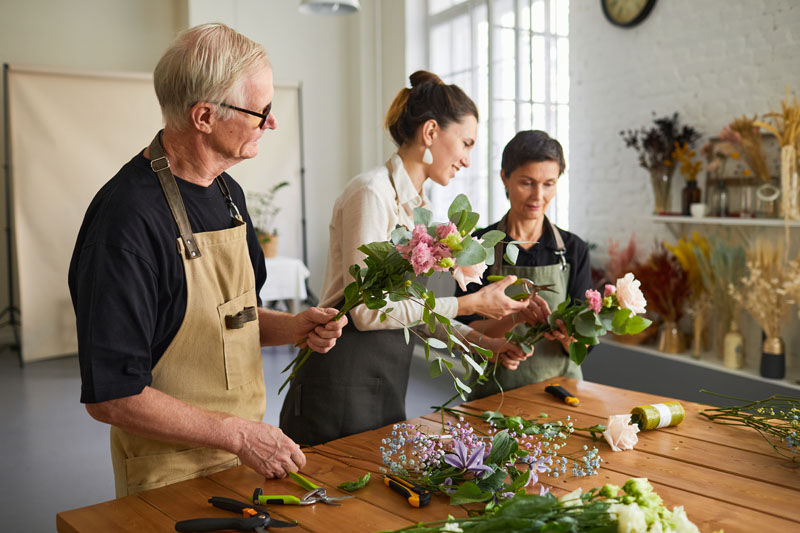
For me, this is exactly why Autumn workshops are such a great opportunity for florists.
Why you Should Run an Autumn Workshop
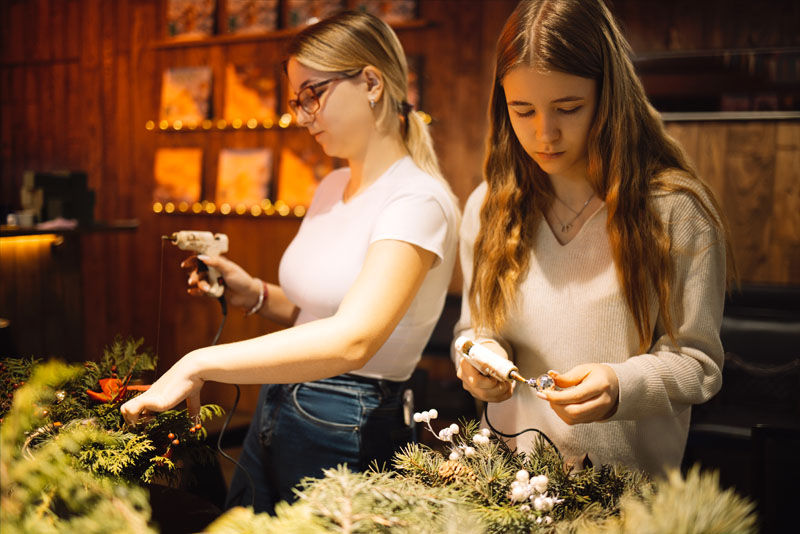
A workshop isn't simply about teaching people how to make something. It is about creating an experience in a relaxed environment and gives customers the chance to spend a few hours being creative, learning something new, enjoying a chat and going home with something they have made themselves.
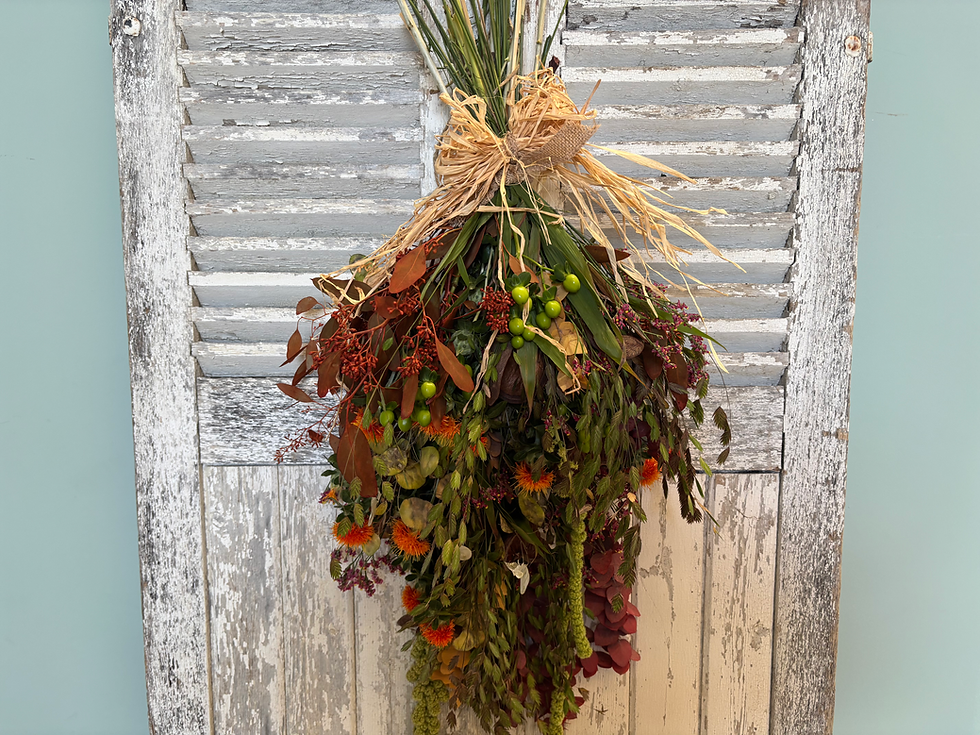
When that something is an Autumn door swag, it is the perfect combination of a seasonal decoration, using natural materials and a design that looks impressive without needing to be overly complicated.
Remember, your workshop is also an opportunity to introduce customers to your florist business in a different way. They are spending time with you, seeing your skills and experiencing the quality of your flowers and materials. They may come back for Christmas flowers, wedding flowers, gifts or another workshop.

What to Make for your Autumn Workshop
I love a door swag for workshops because they offer plenty of creative freedom. A swag can be loose, natural and slightly less structured. It works beautifully with the relaxed, abundant feel I associate with Autumn and gives your lovely customers the opportunity to work with beautiful foliage, berries, seed heads, dried materials and seasonal flowers. It also gives you the opportunity to introduce customers to materials they may not be familiar with.
What Stems to use at your Autumn Workshop
I naturally love designing in Autumn with eucalyptus, beech, oak, eucalyptus pods, ornamental grasses such as chasmanthium, hydrangea, roses, carthamus, eryngium, rose hips, hypericum and dried seed heads, as these will all dry well and continue to look attractive once the workshop is over.
That of course is another selling point, customers aren't simply making something for a few days – they are creating a seasonal decoration that can last well beyond the workshop.
What to think about when planning your Workshop
When planning to run a workshop, no matter what time of year, I would always think about the experience you want your customers/group to have. Once you have planned the workshop, you must plan how you are going to advertise/market the event (or events) and when, so make a plan of when and where you want to promote your workshop.
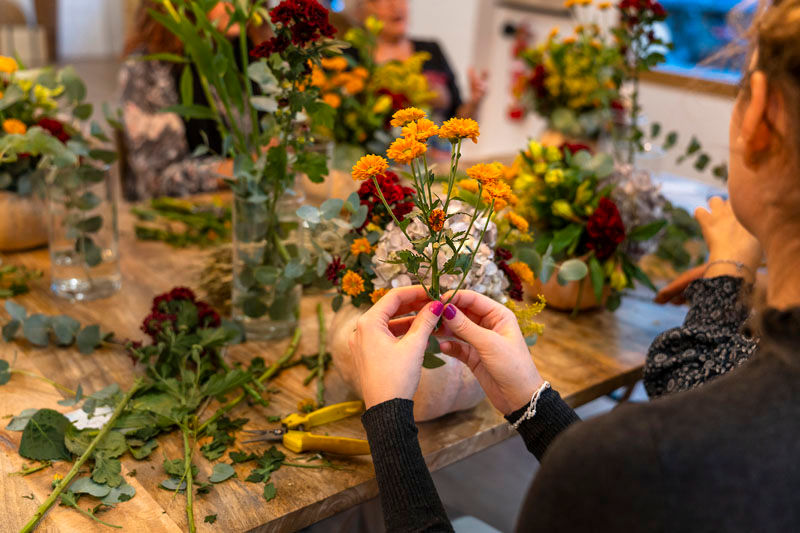
Making the atmosphere relaxed and welcoming is important to keep those that may be a little nervous, feel less so. Have everything prepared before people arrive, but don't make the room feel too clinical or organised. Part of the enjoyment is being surrounded by flowers, foliage and natural materials.
I usually arrange a beautiful display of all the materials we will be working with or selecting from, on my work bench, so that the participants, can see what they will be using and handling during the workshop itself.
Then place buckets or containers filled with materials for each of the group around the room, so that they can see what they are working with. It is amazing how much inspiration comes from simply seeing the materials together.
A seasonal drink, perhaps mulled apple juice or a warming spiced drink, and a little something to eat such as ginger biscuits and a sticky fruit flapjack can also make the workshop feel special.
What Design is best for an Autumn Workshop?
When running a workshop, I think it is important to have a clear design in mind. Prepare a sample beforehand so that everyone can see what they are going to aim to create. It will give everyone confidence and provides a visual reference throughout the session.
I would start with a simple backbone of strong, flexible stems.
Willow is ideal, but you could also use birch, eucalyptus or good strong oak stems.
Allow the materials to move naturally rather than trying to make everything too symmetrical.
Add your flowers and foliage, placing your materials so that the swag has movement and direction.
Introduce different textures as you build and ensure your ‘hero’ flowers are in the focal area of the design.
Add eucalyptus alongside berries, grasses or seed heads.
I always think about where the eye travels through a design. You don't want everything sitting at exactly the same height.
What are the best Colours for an Autumn Workshop?
Colour is where Autumn really comes into its own. Autumn doesn't have to mean orange. Of course, burnt orange, rust, terracotta and warm reds are beautiful, but don't be afraid to introduce unexpected combinations. Deep burgundy and fuchsia with blush tones can look sophisticated. Rich plum with natural greens feels luxurious. Mustard with soft cream creates something warmer and more contemporary.
You could even create two or three colour palettes for the workshop and allow your group to choose their preferred palette:
• Traditional Autumn: rust, burnt orange, burgundy and natural brown.
• Autumn Meadow: olive green, cream, soft peach and dried grasses.
• Dark & Dramatic: plum, fuchsia pink, burgundy, deep green and chocolate brown.
This gives customers some ownership over their design, which is one of the nicest parts of a creative workshop.
Practical Tips for Running a Floral Workshop
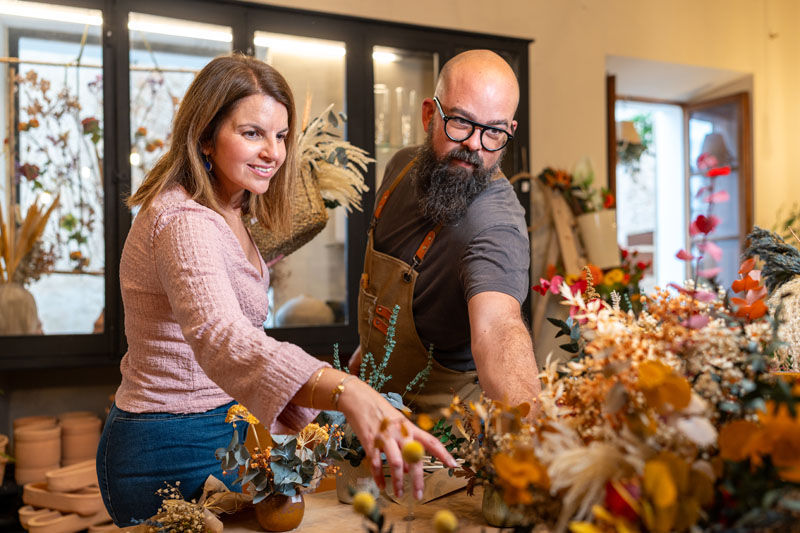
Keep demonstrations short and practical. Show your group how to position the materials, how to bind securely and how to create balance without making everything too uniform.
A beautiful ribbon can make a huge difference to a door swag. Natural linen, jute, velvet or textured ribbon can introduce another layer of interest, while a generous handmade bow can become part of the overall design.
But again, it's about proportion. The ribbon shouldn't simply be added at the end because we think the design needs a bow. It should feel as though it belongs there.
I also like to consider how the customer will use the design. So think about:
• Where will it hang?
• How will it hang?
• Is the material suitable for outdoor conditions?
• How should it be secured?
These are practical considerations that are particularly important when we are making designs for customers.
How to end an Autumn Workshop
Once everyone has finished, allow time for photographs and feedback. This is a very important part of the workshop. If you can and have the space, create a simple area where the group can photograph their finished designs against a plain seasonal backdrop. Encourage them to share their photographs and tag your business. Your workshop has then become marketing content for your website and social media as well as a customer experience.
Making an Autumn Workshop Profitable
From a business perspective, don't forget that a workshop needs to be profitable. Never forget this, of course it is a good way of building your customer base, but it is possible to make a profit and grow your business.
Work out your material cost per person carefully, including foliage, flowers, sundries, ribbon, mechanics, packaging and refreshments. Then factor in your time, preparation, room set-up and clear-up. It is very easy to price a workshop based only on the flowers, but your knowledge and expertise are part of what customers are paying for.
I would also consider offering an optional add-on after the practical session has finished, such as offering a matching table arrangement, an Autumnal candle or a mini wreath to collect after the workshop. You could also have Christmas workshop dates available to book before everyone leaves. Create a reason to come back.

What to Do after The Workshop
One of the biggest benefits of workshops is building relationships with customers.
Someone who attends your Autumn workshop has spent a few hours with you. They have seen your creativity, your product and the way you work.
Make sure you stay in touch.
Take photographs during the evening and share them afterwards.
Thank everyone for coming and invite them to your next workshop and let them know about upcoming seasonal products.
For me, the best workshops are the ones where people leave with a smile. I love seeing how differently people interpret the same materials. One person will make something wild and abundant, another will create something simple and elegant, and somebody else will add their own quirky little touch.
That's the joy of teaching. As florists, we sometimes forget that what feels very familiar to us can be completely new and exciting to our customers. The ability to turn a handful of branches, berries, foliage and flowers into something beautiful is a skill worth sharing.

With over 35 years’ experience, Karen Barnes is one of the UK’s leading consultants to the floral industry and an expert in product development, future trends & colours, and floral photography design & planning. She’s an interior floral designer, high profile wedding and event floral planner, and prominent international competition judge.
From teaching on a one-to-one basis to coaching small, intimate classes and larger teams, Karen can encourage, motivate and mentor your next step in the florist industry. Sharing her vast experience, Karen can help you expand your knowledge and creativity.



Comments