


Britain’s Hidden £30m Flower Farming Industry Gets Official Recognition

Updated: Aug 27
An industry dominated by women, built on birdsong and biodiversity, has spent years invisible to government statistics. That changes now.
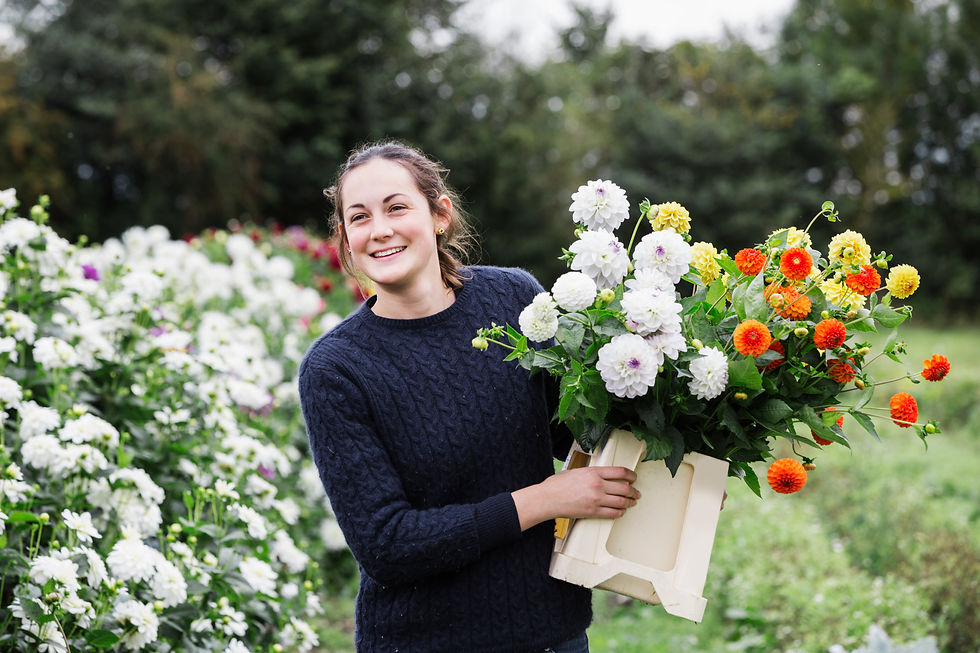
Walk into a British flower farm in summer and the birdsong is almost deafening. But until this week, the Treasury couldn't hear it. The £30 million a year generated by the UK's flower farming industry has, until now, been invisible, absorbed into the catch-all figures of broader agriculture, its contribution uncounted, its flower growers unrecognised.
That has now changed. Flowers from the Farm, the trade body representing over a thousand British flower growers, has been awarded dedicated Standard Industrial Classification (SIC) codes, the formal economic identifiers that allow a sector to exist, officially, in the eyes of government, funders and policymakers.
The award of SIC codes, secured with persistent backing from Liberal Democrat MP Sarah Dyke, is more than a bureaucratic milestone. For the first time, the economic contribution of British flower farming can be tracked, measured, and used as the basis for funding applications, academic research, and government support.
"I have been proud to work with growers and Flowers from the Farm to press the Treasury to properly recognise this sector. Securing dedicated SIC codes means their contribution can finally be measured, supported and championed. These are businesses that not only create jobs and drive local growth but also enhance biodiversity and support more sustainable land use. It is only right that their work is recognised at the heart of government, and I will continue to make the case for the support they deserve," commented Sarah Dyke MP, Liberal Democrat Rural Affairs Spokesperson.
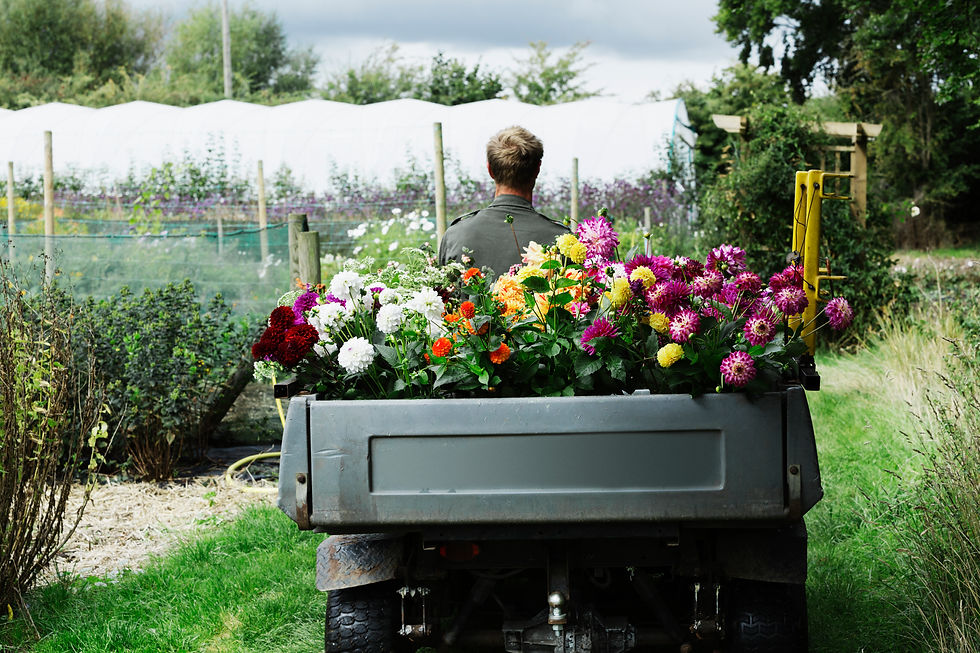
An industry of women, land and wildlife
Eight in ten members of Flowers from the Farm are women. In the UN International Year of the Woman Farmer, this recognition is particularly resonant. Beyond economics, the new classification unlocks the possibility of formally measuring what flower farmers already know: that sustainable flower farming is good for the land. Flowers from the Farm is now positioned to research and quantify the Biodiversity Net Gain (BNG) that flower farming delivers, a significant development at a time when BNG frameworks are reshaping how land is valued in Britain.
Unlike agricultural schemes that require land to be set aside and taken out of production, flower farming works the land. It sustains rural employment, supports pollinators, and generates economic activity in communities where agricultural jobs have long been in decline. Biodiversity Net Gain systems are often focused on setting land aside. Flower farming works the land and sustains employment. The socio-economic benefits ride high alongside the biodiversity possibilities," said Georgie Newbery, External Chair, Flowers from the Farm.
What comes next
With formal recognition secured, Flowers from the Farm will now move on to designing qualifications for young people entering the industry, creating pathways that connect aspiring growers with landowners, and building the supply of high-quality, UK-grown flowers that an increasingly sustainability-conscious market is demanding.
British Flowers Week, an annual national celebration of homegrown blooms, is less than a month away. For the first time, the industry it celebrates is officially on the map.

THURSD is the online floral meetup spot where international professionals in floriculture connect. Showcasing companies, products and services.






Comments