


Photosynthesis: Why Plants Need Light, Water and Carbon Dioxide

Photosynthesis is one of the most important processes in nature and the reason plants can grow and thrive. By using sunlight, water and carbon dioxide, plants create the food they need while releasing oxygen into the atmosphere. Understanding how photosynthesis works helps florists care for plants more effectively and provide customers with better plant care advice.

What is photosynthesis?
The process that plants use to convert sunlight, water and carbon dioxide to create oxygen and sugar.
Why is this important?
The combination of all three produce sugar, essential food for the plants growth, while the oxygen it releases back into the atmosphere enables humans to breathe.
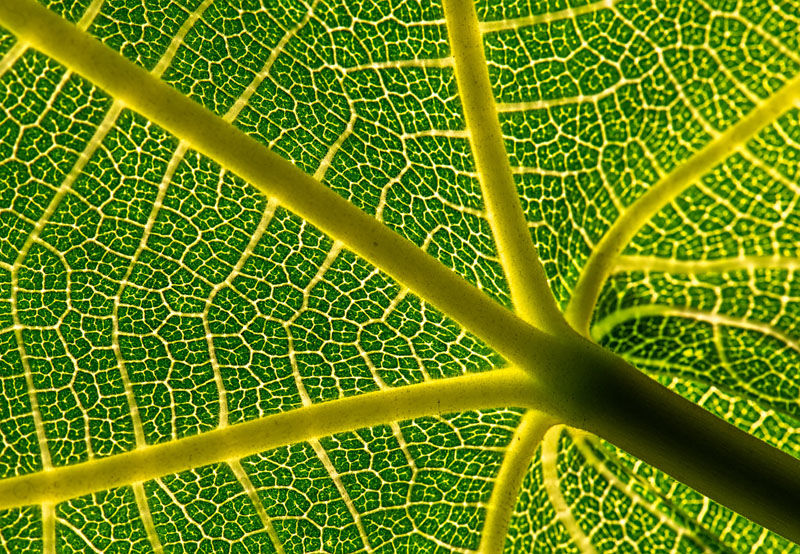
How do plants manage to do that?
Sunlight is caught by the green pigment in plants, known as chlorophyll. Tiny pores in the leaves capture carbon dioxide from the air and the plants roots draw up water. Plants have adapted to absorb as much of these nutrients as they can, for example, Helianthus will follow the movement of the sun during the day.
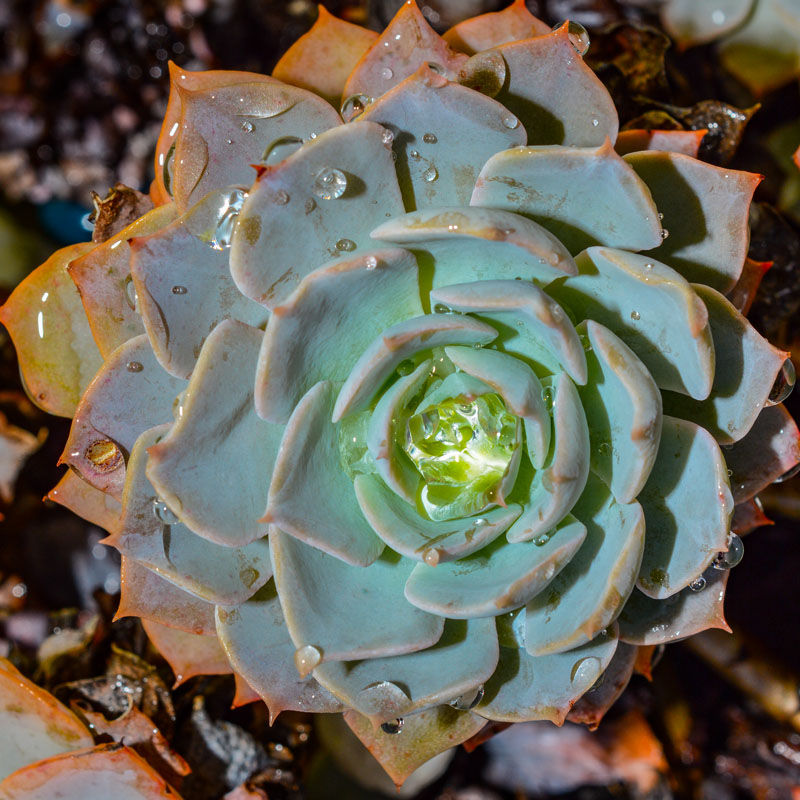
What about plants in the desert where there is little or no rain?
Most desert plants are succulents which are uniquely designed to survive in hot, dry places. They keep their pores closed during the day to protect themselves from the heat, opening them only at night to absorb moisture and carbon dioxide from the cooler air.
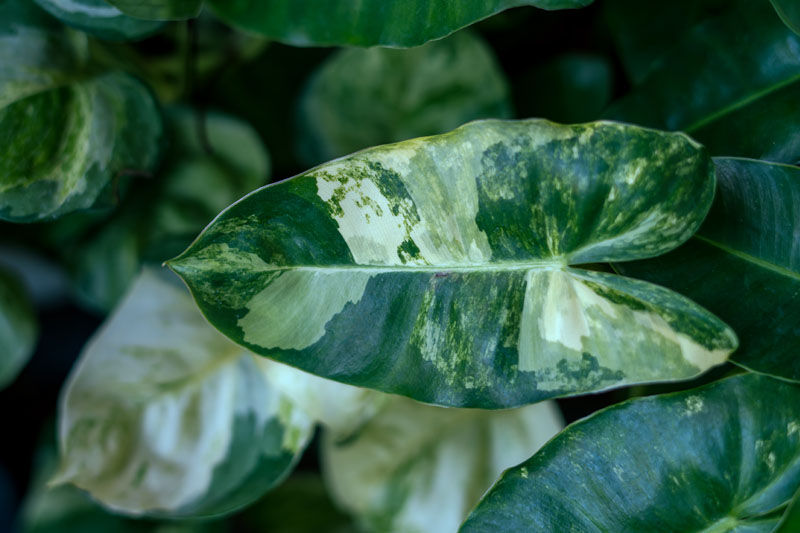
Can variegated plants photosynthesis?
The white or yellow parts of a leaf do not contain chlorophyll, so the plant relies entirely on the green areas to photosynthesise.
Can houseplants photosynthesis indoors?
Indoor plants can carry out the same process as long as they are in a light or semi-shaded position. Houseplants, particularly those with large leaves, can get dusty indoors which clogs up their pores so remember to clean your plant’s leaves regularly.

Why is it important for the florist to know about photosynthesis?
It will help to make the right choices when it comes to where and how to display and maintain plants and flowers and will also give you more confidence when guiding your customers in the correct plant selection. For example, it explains why a small leaved variegated plant will not thrive in low level light.
It also makes you appreciate how incredible nature is!
Frequently Asked Questions
What is photosynthesis?
Photosynthesis is the process plants use to convert sunlight, water and carbon dioxide into sugar for growth and oxygen for the atmosphere.
Why is photosynthesis important?
Photosynthesis provides plants with the energy they need to grow and produces the oxygen that humans and animals rely on to survive.
What role does chlorophyll play in photosynthesis?
Chlorophyll is the green pigment found in leaves that captures sunlight and powers the photosynthesis process.
Can variegated plants photosynthesise?
Yes, but only the green parts of the leaves contain chlorophyll. This means variegated plants have less area available for photosynthesis than fully green plants.
Can houseplants photosynthesise indoors?
Yes. Houseplants can photosynthesise indoors as long as they receive enough natural or artificial light. Keeping leaves clean also helps them absorb light more efficiently.
How do desert plants carry out photosynthesis?
Many desert plants keep their pores closed during the day to conserve water and open them at night when temperatures are cooler, helping them absorb carbon dioxide more efficiently.
Why should florists understand photosynthesis?
Understanding photosynthesis helps florists choose suitable display locations, care for plants correctly and confidently advise customers on plant selection and maintenance.

Su Whale is a florist and freelance writer with over Thirty years' experience in the floristry industry. She is the author and publisher of three best-selling books: Cut Flowers, 4th edition (2020) Cut Foliage, 2nd Edition, (2021) and Houseplants (2019), all bookshelf essentials for the professional florist.






Comments